

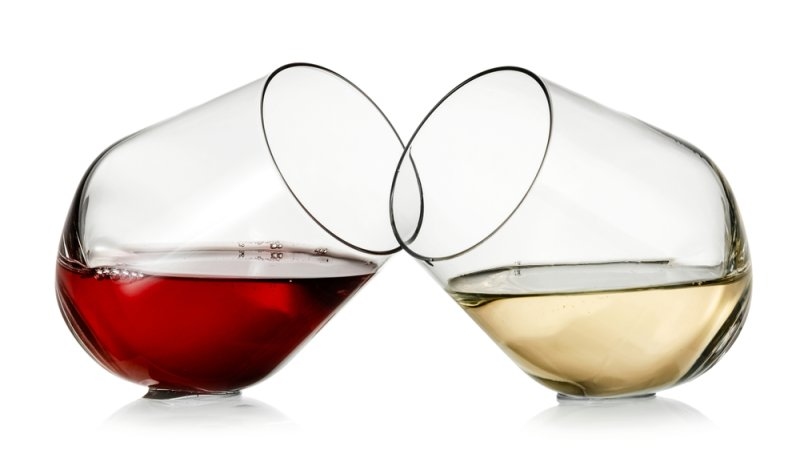
Let’s be honest, neither red nor white wine is some magic health elixir. Both come from grapes, but their flavours, textures, colours, and even the way they’re made can be very different. One might taste dry, deep, and full of dark fruit; the other could be crisp, citrussy, or floral. It's not just about the grape colour. The amount of skin contact, how long it ferments, acidity, tannins, and the alcohol — all of that matters.
Food pairing changes everything. Your personal tastes matter just as much. There’s no clear winner here. We’re just comparing red and white wine by looking at how they’re made, how they taste, calories, alcohol, health angles, and practical tips for picking a bottle.
The main difference in red wine vs white wine production is how much contact the grape juice has with skins and other grape solids.
So, it is common to use dark-skinned grapes that have their skins when producing red wine, as they add colour, tannins and flavours. Skins are typically removed after fermentation (or during it) or during processing, depending on the effect.
Production of white wine from grapes is typically done by pressing the grapes prior to fermentation and removing the skins. It can be produced from green or dark-skinned grapes, provided the juice is separated from the skins that contain most of the pigment.
Production choices matter. Temperature, yeast, ageing vessels, and time can change the final flavour of both wines.
| Feature | Red wine | White wine |
|---|---|---|
| Typical grapes | Cabernet Sauvignon, Pinot Noir, Merlot | Chardonnay, Sauvignon Blanc, Riesling |
| Colour source | Pigments from dark grape skins | Usually little skin contact |
| Common flavours | Cherry, blackberry, plum, spice | Citrus, apple, pear, floral notes |
| Texture | Often fuller or more structured | Often lighter or crisper |
| Tannins | Usually higher | Usually lower |
| Common serving temperature | About 55–65°F | About 45–55°F |
These are common patterns, not fixed rules. The richness of oak-aged Chardonnay can be either appreciated or overpowering, and a chilled Pinot Noir will be light and delicate in tasting.
The taste of red wine versus white wine also varies by variety, growing region, type of fermentation, and ageing and should be considered more by multiple characteristics than just the colour.
Dark berries, cherries, and earthy and spicy flavours are common in red wines. A Cabernet Sauvignon might be firm and strong, while Pinot Noir can be lighter, red-fruited, and apt to have a tinge of earthiness.
Lemon, green apple, peach, pear, and floral are common characteristics of white wines. The Sauvignon Blanc is generally crisp and dry, while the ripe Chardonnay can be creamier or buttery, particularly with specific fermentation and maturation methods.
Sweetness also matters. Riesling can be sweet or dry, and red wines can contain noticeable residual sugar. Colour alone does not tell you how sweet a wine will taste.
Tannins create a drying or slightly gripping sensation in the mouth. They come largely from grape skins, seeds, stems, and oak contact.
Red wine vs white wine tannins differ mainly because red wine usually spends more time fermenting with grape skins. This extracts more tannin. White wines typically have less, although oak-aged whites can gain some structure.
If you dislike a dry, mouth-puckering finish, try a low-tannin red such as Pinot Noir or a crisp white wine. Tannins are not the same as acidity; the two create different sensations.
Nutrition and alcohol levels vary by bottle, serving size, sweetness, and winemaking choices, so broad comparisons should be treated as estimates.
A standard 5-ounce glass of wine commonly contains around 120–130 calories, though some wines fall outside that range. Alcohol supplies a large share of those calories, while residual sugar adds more.
Red wine vs white wine calories are often similar when alcohol levels and sweetness are comparable. A dry white wine may contain fewer calories than a higher-alcohol red, but the reverse is possible too.
For a quick comparison, check the alcohol by volume (ABV), serving size, and nutrition information when available. Pour size makes a difference as well.
Red wine vs white wine alcohol content depends on grape ripeness, fermentation, and the winemaker's decisions. Many table wines fall between roughly 11% and 15% ABV.
Some reds, such as certain Zinfandels or Cabernet Sauvignons, can have higher alcohol levels. Many light-bodied whites sit at lower levels, though some Chardonnay and other whites are equally strong. Neither colour automatically means less alcohol.
A larger glass also means more alcohol consumed. If you're comparing two bottles, use their ABV labels rather than assuming one style is weaker.
Wine contains compounds from grapes, but possible biological effects should not be confused with proof that drinking improves health. Red wine contains polyphenols, the majority of which are located in grape skins and are largely associated with this part of the berry.
White wine is also rich in compounds from plants, albeit in different amounts and types depending on the grape variety and how the wine is made. The red wine vs white wine health benefits debate often focuses on antioxidants.
However, evidence does not establish that drinking wine is a reliable way to improve health, and alcohol increases risks, including certain cancers. Neither red nor white wine should be started for supposed health benefits. People who do not drink should not begin for this reason.
Pairing wine with food is usually more useful than trying to find a universally superior type. Match intensity and balance.
The best pairing is one that complements the meal without overpowering it.
When you get down to it, picking between red and white wine is about how it’s produced, flavour, texture, food, and what you like. Reds usually come with more tannins and darker fruit flavours; whites are brighter, sometimes more citrussy or floral. But that’s not always true — there’s tonnes of variety. Calories and alcohol? They’re all over the map. And really, neither is a reason to start drinking for your health.
Look at the labels. Serve each wine at the right temperature. Choose based on what you’re eating or the mood. There’s no “best” wine. The best one is the one you enjoy and enjoy responsibly.
Absolutely. Seal the bottle and stick it in the fridge, whether it’s red or white. That slows down oxidation. Most opened wines are at their best within a few days — but it depends on the type and storage.
Yes! Dry wines add great acidity and depth to sauces, stews, or risotto. Don’t use “cooking wine"—it"'s usually salty and low-quality. Pick something you’d actually drink.
Alcohol can trigger headaches for a bunch of reasons, like dehydration or just your own sensitivity. There are other compounds in wine that might bother some people, but honestly, there isn’t a single ingredient behind every wine headache.
Organic wine sticks to certain production standards, which depend on certification and location. But organic doesn’t automatically mean less alcohol, fewer calories, or zero sulphites.
A serving white wine cooler helps keep its crispness and aromas intact. If it’s super cold, though, you’ll lose some flavour. And let’s not forget that warm red wine can taste stronger — almost boozy. Temperature matters.
This content was created by AI