

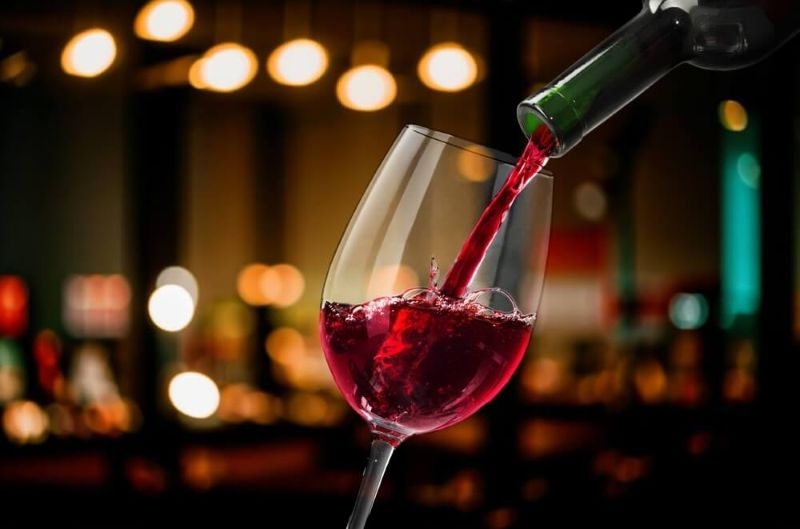
Wine isn’t just something you sip—it’s an experience. Whether you treat yourself to the occasional glass or you have shelves stacked with bottles, how you store your wine makes all the difference. Good storage keeps the flavors alive. Ignore it, and even an expensive bottle can go bad fast.
This guide breaks down the basics: how to store both opened and unopened bottles, how to handle temperature, and how to choose the right spot, whether you plan to drink soon or keep bottles for a while.
If you don’t store your wine properly, you lose that beautiful aroma, the wine tastes flat, or it can even go bad before you get to it. That’s why learning a few storage tips matters, even if you’re not a wine geek:
Honestly, temperature matters more than anything else. The sweet spot? Somewhere between 10°C and 15°C. Warmer than that, your wine ages in double time, and weird flavors pop up. Too chilly, and everything tastes muted.
You also want to avoid big temperature swings. It’s not just about hitting the perfect number—sudden changes can do more damage than being a few degrees off. Steady conditions let wine age gracefully.
Wine and sunlight don’t mix. UV light breaks down the stuff that makes wine smell and taste good. That’s why you want bottles out of direct light, even if you’re not storing them long term. A dark shelf or cabinet is all you need, but if you’re thinking long haul, darkness matters even more.
This one surprises a lot of people. Too little moisture, and the cork dries out—let in some air, and there goes your wine. A moderate, steady humidity level keeps the cork happy and your wine safe.
If your wine has a cork, always store the bottle on its side. Keeping the cork damp stops it from shrinking and letting air in. It’s a tiny detail, but it really pays off if you’re hanging on to bottles for a while.
You May Also Like to Read: Best White Wines to Include in Summer Meals and Light Dishes
Here’s the thing: you don’t need fancy equipment if you’re planning to drink your wine soon. If it’s just for a week or so, any cool, dark spot—a cupboard, a closet—works fine. Just keep it away from heat and sunlight, and your wine stays fresh. It’s only when you start storing bottles for months or years that all the careful details really matter. Either way, a little attention keeps every glass tasting the way it should.
If you’re planning to keep wine for months—or even years—you’ll need to pay more attention to the details. Temperature and humidity really matter here. Forget the regular fridge; a wine fridge or a cellar works best.
Long-term storage isn’t just about tucking bottles away and hoping for the best. It’s all about keeping things consistent. When the conditions are right, wine matures beautifully, and the flavors deepen.
A lot of people use the fridge for unopened bottles, thinking it’s the simplest answer. It works—sometimes. For white and sparkling wines, a regular fridge is fine for a quick chill or short-term storage. But for anything longer, the fridge is actually too cold and dry, not great for the wine.
Honestly, storing unopened wine in the fridge should be a short-term fix—not a lifestyle. Reds, especially, can lose their magic if left in there for too long.
Open a bottle, and air jumps right in, kickstarting oxidation. That’s why knowing how to store opened wine is key if you want to keep some for later.
Always reseal your bottle—use the cork or grab a wine stopper. Stick it in the fridge. Even for reds, refrigeration slows down oxidation. Stand the bottle up to cut down exposure to air. These steps buy you a few extra days of flavor.
Here's Something Helpful: Dry Red Wine Buying Guide For Beginners And Enthusiasts
How long an opened bottle lasts depends on what you’re drinking. Reds and whites, store them well, and you’ll get three to five days out of them. Sparkling wines? Drink them within a day or two, max.
If you follow the right storage routine, you’ll stretch freshness a bit. But honestly, sooner is always better.
Where you keep your wine really matters. If you’ve got the space and budget, a wine fridge is a great way to keep everything at the right temperature and humidity—perfect for regular or bulk storage. A basement or cellar works, as long as it stays cool and dark. Both are ideal for all kinds of storage, short- or long-term, since they’re stable.
No cellar? No problem. Use a kitchen cabinet, just make sure it’s away from the stove or any heat source. But remember, that’s a temporary fix, not your forever solution.
Just getting started with wine storage? Keep it simple—cool, dark, and steady wins the race. Knowing the difference between short-term and long-term storage helps you pick the setup you need. No need to drop money on expensive gear right away. Small improvements go a long way.
For example: keep bottles away from heat; limit the movement of bottles as much as possible; and store bottles on their side to maintain quality and freshness. It is also a good idea to regularly monitor the temperature of the room, properly seal bottles, and keep strong-smelling items away from wine so that the wine does not absorb any odors and lose flavor.
Deep Dive Into This Topic: Malolactic Fermentation Guide For Better Wine Choices
If you want every bottle to taste its best, proper storage is non-negotiable. Take into account factors such as light, temperature, and whether your goal is to have wine for a short period of time (to drink right away) or a long period of time (to age wine).
Ultimately, the only thing that matters is consistency when storing your wine and treating it gently. If the wine is consistently stored and handled with care, you will have many more years of enjoyment from your wines!
Indeed, storing wine improperly can ruin it. Heat, light, or air exposure can deteriorate the flavor and aroma. Knowing how to store wine will help you keep the wine in a wine safe or wine cellar from spoiling and retaining the newness of the wine for an extended period.
Ordinary fridges are fine for short-term storage, particularly for chilling white wines. However, putting sealed wine in the fridge for long periods is not the best idea since low humidity and cold temperatures can affect the cork and taste.
Storing opened wine after you know how to preserve wine is by re-corking or covering the opening and placing the bottle in the fridge. Keep it upright and try to drink it within 2-3 days for the best flavor.
Figuring Out Short Term Vs. Long-term wine storage sensitively adds a wine to your collection, depending on how long you plan to keep the wine. Short-term storage is simply a cool, dark place, while long-term storage needs controlled temperature, humidity, and a wine fridge.
This content was created by AI